1 min read

City-Scale Wildfire Loss and Relative Fire Speed: XyloPlan Whitepaper

City-Scale Wildfire Loss and Relative Fire Speed: XyloPlan Whitepaper

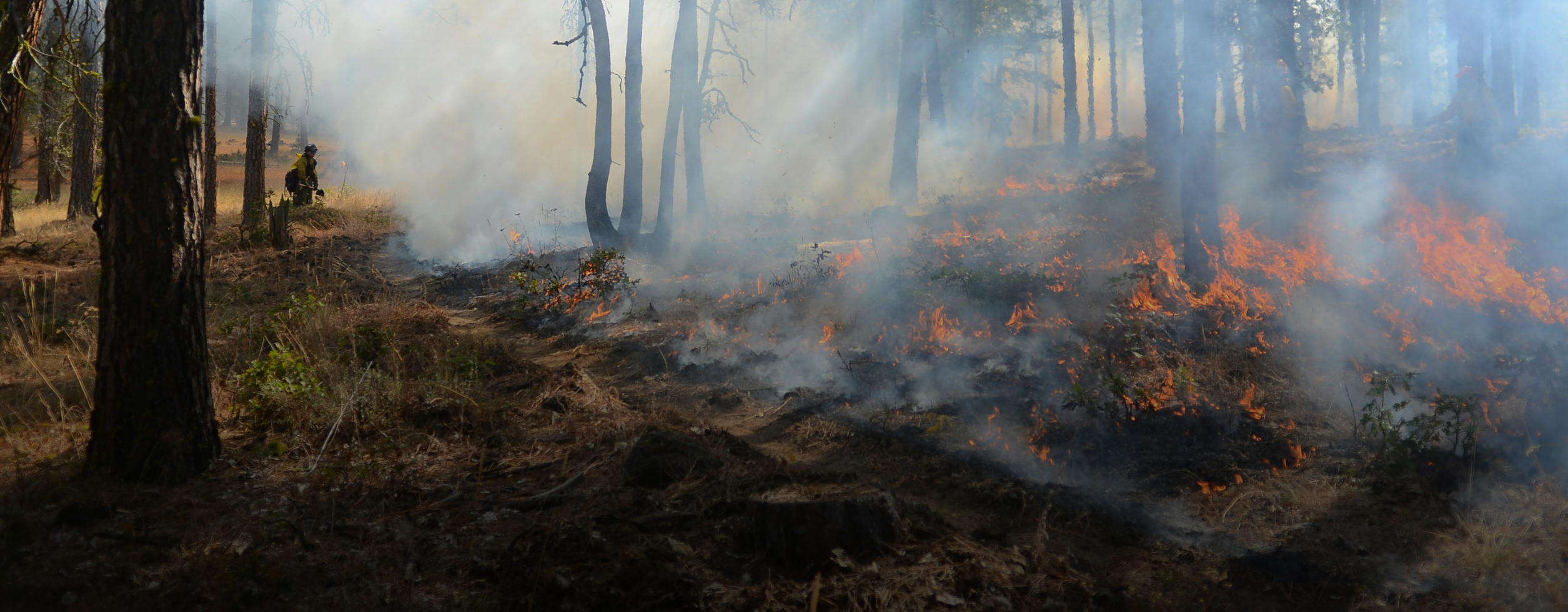
Extreme urban fire loss occurs when a specific set of infrequent conditions align. In City Scale Wildfire Loss and Relative Fire Speed: A Framework for Meaningful Community-Scale Risk Reduction, authors Scott Farley, Co-Founder and Head of Research and Development at XyloPlan, and Dave Winnacker, Fire Chief (Ret.) and XyloPlan Co-Founder, present a new framework for understanding and preventing city-scale wildfire loss.

Their analysis shows that five factors must converge for wildfire to evolve into an urban disaster: sustained extreme winds, rapid vegetation fire spread, insufficient home hardening and defensible space, delayed or overtaxed firefighting response, and tightly spaced structural fuels. Rather than viewing these as separate issues, the authors identify time as the common thread. When fire advances through vegetation and into communities faster than firefighters can respond, widespread loss becomes far more likely. When communities act to slow fire arrival and delay ignition, outcomes improve dramatically.

Drawing on incidents such as the Camp, Marshall, Lahaina, and 2025 Los Angeles fires, Farley and Winnacker demonstrate how time-based analysis can guide effective risk mitigation. They highlight two strategies with the highest return on investment:

  • Harden and defend entry points to make homes at the wildland edge more resistant to ignition.
  • Apply targeted vegetation management in high rate-of-spread fuels to slow fire progression and extend critical response time.

The whitepaper also provides guidance on setting minimum thresholds for meaningful mitigation, avoiding diminishing returns, and developing prioritized plans that align with local capacity and funding. Together, these insights form a practical roadmap for measurable, science-informed wildfire resilience.

Read the full framework to learn how adjusting the timing of key incident phases can reduce loss and strengthen community outcomes.


Designing the Right Wildfire Risk: Newport Beach’s Data-Driven Approach Reduction Plan

Designing the Right Wildfire Risk: Newport Beach’s Data-Driven Approach Reduction Plan

Newport Beach is known for its coastline and beautiful neighborhoods, not wildfire. Yet the city borders wildland areas and includes dense...
Read More
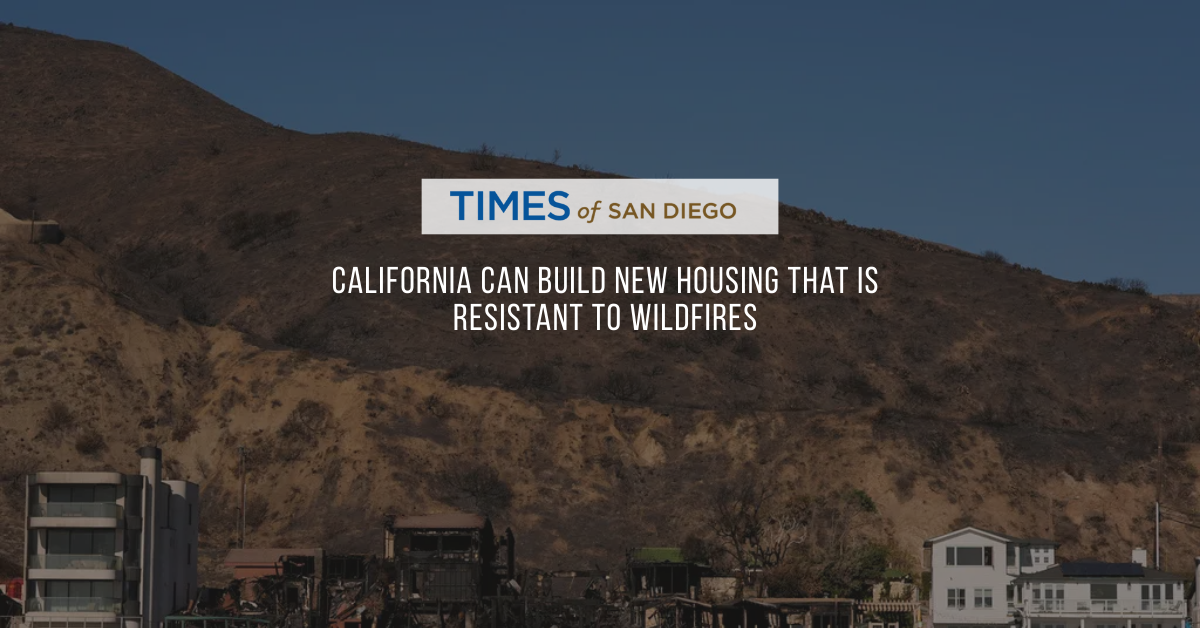
Smart Planning Can Break the Wildfire–Housing Deadlock

Smart Planning Can Break the Wildfire–Housing Deadlock

As California continues to face the dual pressures of a housing crisis and increasingly destructive wildfires, local leaders are grappling with how...

Read More
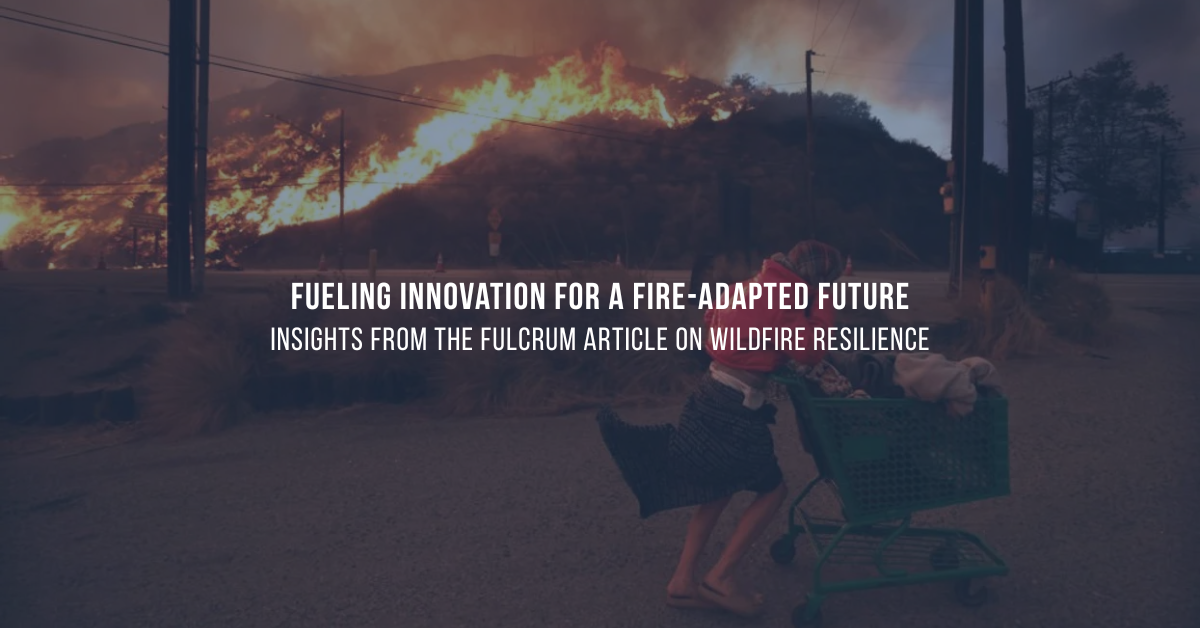
Fueling Innovation for a Fire-Adapted Future

Fueling Innovation for a Fire-Adapted Future

Article Summary: Fueling Innovation to Navigate the Wildfire Challenge Ahead

Read More